
The Key Steps That Protect Your Car From Pickup to Delivery
long distance towing keeps your vehicle safe by using the right equipment, secure tie-down methods, careful route planning, and trained drivers who handle transport from start to finish. Whether your car broke down far from home or you are moving to a new state, the process focuses on stability, monitoring, and clear communication. When done correctly, your vehicle arrives in the same condition it left.
What You Need Before Scheduling Transport
Before booking long distance towing, gather a few basic details. This helps avoid delays and keeps the process smooth.
- Your vehicle’s make, model, and year
- Whether the car runs or not
- Pickup and drop-off locations
- Contact information for both locations
- Any special concerns, like low clearance or custom parts
It also helps to remove personal items from the car. Loose items can shift during transport. Take photos of your vehicle from all sides. This creates a clear record of its condition before pickup.
Step-by-Step Process for Safe Transport
Professional long distance towing follows a clear process. Each step reduces risk and keeps your vehicle stable during travel.
- Vehicle inspection before loading. The driver checks for existing damage and notes it.
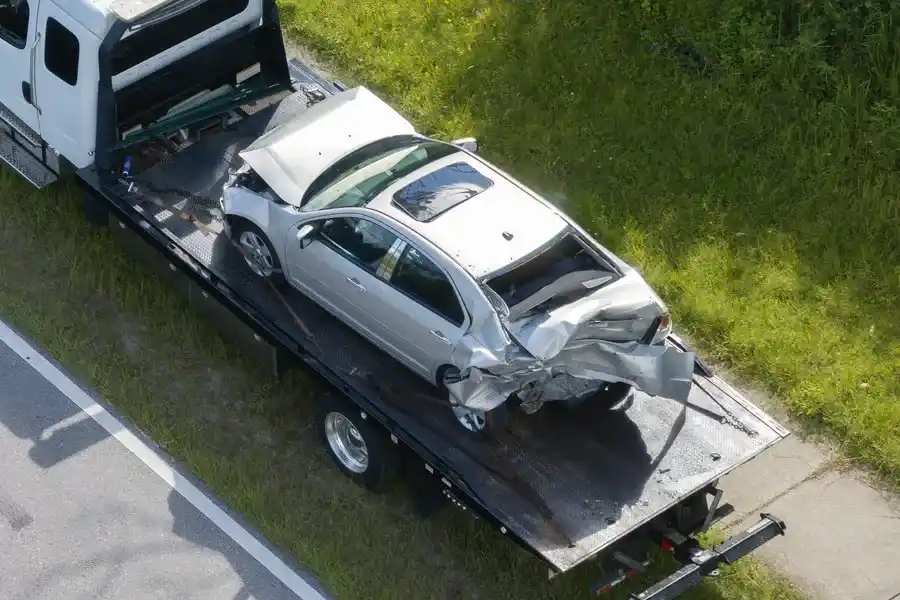
- Choosing the right tow truck or carrier. Flatbed trucks are common for long trips because all four wheels stay off the ground.
- Careful loading using ramps or hydraulic lifts. This prevents scraping the bumper or undercarriage.
- Securing the vehicle with strong straps and wheel restraints. These hold the car in place.
- Route planning to avoid rough roads when possible. Smooth highways reduce vibration and wear.
- Safe driving with regular checks during stops. The driver confirms straps remain tight.
- Final inspection at delivery. The vehicle is checked again before handoff.
This system protects the car’s suspension, tires, and body. It also lowers the risk of road debris damage or tire wear that can happen if the car is driven the entire way.
Common Mistakes to Avoid
Not all transport situations are handled the same way. Some common errors can lead to damage or stress.
- Towing with two wheels on the ground for very long distances
- Using worn straps or chains
- Skipping the inspection process
- Failing to check the vehicle height before loading
- Leaving personal items inside the vehicle
Flatbed towing is often safer for cross-state travel. It keeps the car fully lifted and stable. Choosing the cheapest option without asking questions can also create problems. Ask what type of equipment will be used and how the car will be secured.
When to Call a Professional
If your vehicle will travel more than 50 miles, professional long distance towing is usually the safest choice. This is even more true if the car does not run, has transmission issues, or has low ground clearance.
Trying to rent equipment and handle vehicle transport yourself can be risky. Incorrect tie-down points can bend suspension parts. Poor weight balance can cause sway on the road. Trained operators know where to secure the vehicle and how to protect key components.
In some cases, specialized service category keyword support may be needed for oversized trucks, electric vehicles, or classic cars. These vehicles require extra care and sometimes custom loading procedures.
Final Thoughts on Protecting Your Vehicle During Long Hauls
Safe vehicle shipping is about preparation, proper equipment, and experienced handling. long distance towing reduces wear and lowers the chance of damage during long trips. If you need help in Wilmington, DE, we are ready to assist. At Supreme Towing & Transportation LLC, our team handles every vehicle with care from pickup to delivery. Call us at (302) 209-6514 to schedule service or ask questions about your upcoming transport.